Unraveling the myths of casino gambling

The Allure of Casino Gambling
Casino gambling has an undeniable allure that draws millions of people to gaming establishments each year. From the shimmering lights of slot machines to the sound of dice rolling on a craps table, the atmosphere is electric. Many perceive gambling as a thrilling escape from everyday life, where fortunes can change with a single spin or turn. In addition, many players are now exploring the world of nz casino online options, which provide new experiences and opportunities for entertainment. This excitement often leads to the formation of various myths surrounding gambling, perpetuating misconceptions about its nature and impact.
Despite the glamorization of casinos in films and media, the reality of gambling is much more grounded. While winning is undoubtedly a part of the experience, most people are unaware of the odds stacked against them. Casinos are designed to ensure that the house has an edge, meaning statistically, players are more likely to lose than win over the long term. This fundamental concept is often overshadowed by the myths that paint gambling as an easy way to make money quickly.
The thrill of the gamble can create an illusion of control, where players believe they can consistently predict outcomes or influence the odds. This has given rise to the myth that skilled players can leverage strategies to beat the house. However, most games rely heavily on chance, and while some strategies can enhance the experience or slightly improve odds, they do not guarantee success. Understanding the balance between luck and skill is essential for any participant in casino gambling.
The Truth about Winning and Losing
One of the most pervasive myths in casino culture is the misconception that winning streaks and losing streaks are inherently tied to one another, commonly referred to as the “gambler’s fallacy.” This belief suggests that if a player has lost multiple times in a row, they are due for a win, or vice versa. However, each game round is independent, and past results do not affect future outcomes. This disconnect between perception and reality can lead gamblers to make irrational decisions.
Moreover, the emotional rollercoaster that accompanies gambling can significantly influence decision-making. Many players chase losses, convinced that their luck will turn, leading to further financial strain. The urge to recover losses can result in reckless betting and an escalation of gambling behavior, feeding into detrimental cycles. Acknowledging this risk is crucial to maintaining a responsible approach to gambling.

Additionally, some individuals believe that luck is a commodity that can be transferred or shared. Many casino-goers seek out “lucky” machines or tables where they think favorable outcomes will occur. This myth often leads to congregations of players around particular games in hopes of riding a wave of luck. In reality, each game operates on random number generators or predetermined outcomes that do not depend on past players’ experiences or actions.
The Impact of Gambling Addiction
Gambling addiction is a serious concern that often remains overlooked amidst the glamour of the casino environment. The thrill of winning can quickly morph into a compulsion, with individuals prioritizing gambling over relationships, work, and personal health. This addiction is often masked by the belief that it is a form of entertainment, allowing players to justify their spending and time spent at the gaming tables.
Many myths also surround the notion of gambling addiction, leading some to believe that only certain types of people fall prey to this issue. In reality, anyone can develop a gambling problem regardless of their background. Factors such as mental health conditions, stress, and social influences can contribute to the risk of addiction, debunking the myth that gambling addiction is confined to a specific demographic.
Treatment for gambling addiction is available and can include therapy, support groups, and self-exclusion programs. Understanding the signs of problem gambling and seeking help is vital for those who find themselves struggling. Breaking the stigma surrounding gambling addiction is necessary to support individuals on their journey to recovery and to foster a healthier approach to gaming.
The Role of Technology in Modern Gambling
The advent of technology has transformed the gambling landscape, leading to the rise of online casinos and mobile gaming apps. This digital shift has created new opportunities for players and increased access to gambling platforms. However, it has also intensified some of the myths related to casino gambling. One prevalent misconception is that online gambling is inherently safer or more regulated than traditional casino gaming.
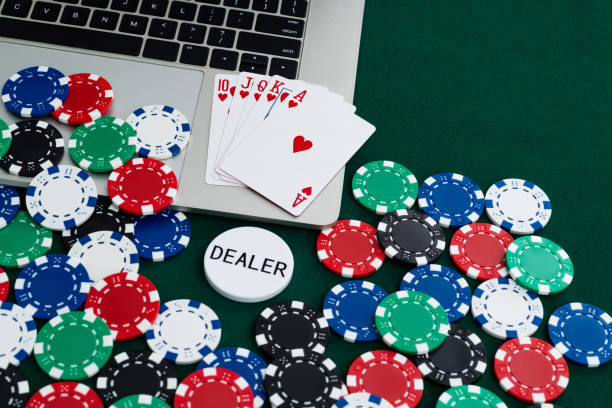
While reputable online casinos operate under strict regulations, the sheer volume of platforms available online makes it essential for players to conduct thorough research before engaging. Unscrupulous websites can mislead players, leading to financial losses and a lack of recourse. Players often fall prey to the allure of bonuses and promotions without understanding the terms and conditions attached, which can exacerbate myths about easy money in online gambling.
The online environment has also contributed to the belief that gambling is a solitary pursuit. In reality, many online platforms foster communities and social interactions, allowing players to connect through chat features or live dealer games. This aspect of online gambling can enhance the experience and make it more enjoyable. However, it also emphasizes the need for responsible gaming practices, as the convenience of gambling from home can blur the lines for some players.
Responsible Gambling Practices
Amid the myths and misconceptions surrounding casino gambling, the importance of responsible gambling practices cannot be overstated. Players should prioritize setting limits on their spending, time, and emotional investment to ensure that gambling remains a form of entertainment rather than a source of stress. Understanding personal limits and recognizing when to walk away can significantly mitigate the risks associated with gambling.
Education plays a vital role in promoting responsible gambling. Many casinos and online platforms offer resources to help players understand the odds, the nature of different games, and the importance of maintaining control. These resources can empower individuals to make informed decisions and safeguard against the pitfalls often associated with gambling.
Moreover, recognizing the signs of problem gambling is crucial for maintaining a healthy relationship with gambling activities. If players notice that gambling is impacting their daily life, relationships, or finances, seeking help from professionals or support groups is essential. The focus should always remain on enjoying gambling responsibly within the constraints of personal limits.